
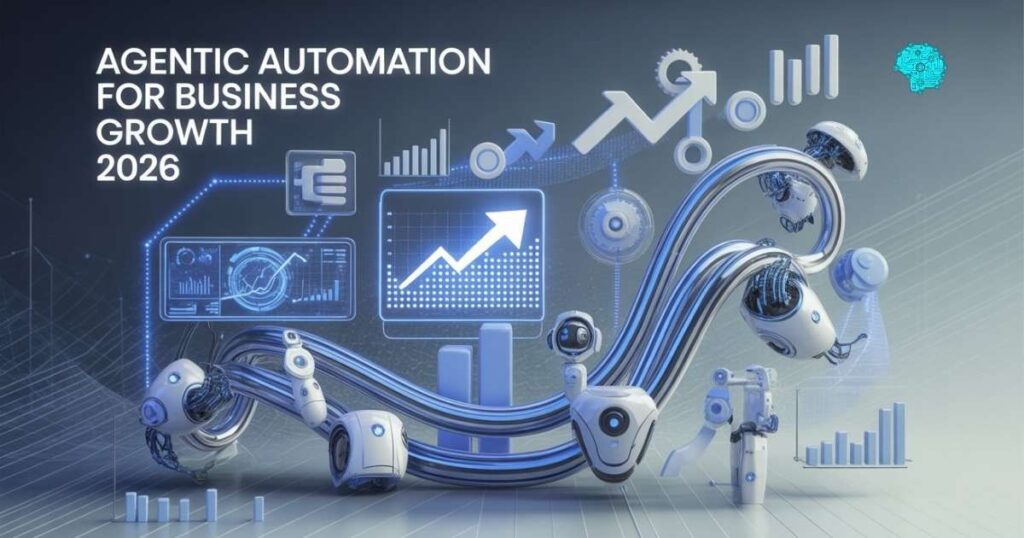
Agentic Automation is changing how modern businesses operate in 2026. Many companies struggle with AI automation, rising costs, and slow manual processes. Teams waste hours on repetitive tasks instead of focusing on growth. That is where intelligent agents powered by machine learning systems make a real difference.
Instead of basic scripts, businesses now use autonomous AI systems that make decisions and act independently. This shift supports smarter workflow automation across sales, marketing, and operations. In this guide, you will learn how Agentic Automation solves real business problems. You will also discover practical steps to implement it successfully in your company starting today.
H2: The Business Problem in 2026

Many USA business owners feel overwhelmed by complex tools. Traditional automation handles simple triggers only. It cannot adapt to changing conditions. This creates bottlenecks in business process automation and limits growth potential.
Additionally, teams rely heavily on manual oversight. Employees constantly monitor systems and fix small errors. This reduces productivity and increases operational costs. Without AI-driven decision making, companies struggle to scale efficiently.
H2: What Is Agentic Automation?
Agentic Automation goes beyond standard automation. It uses intelligent agents that observe, decide, and act independently. These agents analyze data, learn patterns, and improve performance over time using predictive analytics.
Unlike basic tools, this system supports digital transformation across departments. It connects sales, support, and marketing workflows seamlessly. With autonomous AI systems, businesses reduce human intervention while improving results.
H3: Key Components
• AI automation engine that executes smart tasks
• Machine learning systems that learn from data
• Predictive analytics for forecasting outcomes
• Decision layer using AI-driven decision making
H2: How to Implement Agentic Automation
The first step is identifying repetitive tasks. Focus on areas like lead qualification, customer support replies, and reporting. Then choose tools that support enterprise AI solutions and scalable infrastructure.
Next, start small. Implement one workflow automation process. Monitor results and refine performance. Over time, expand across departments. This step-by-step approach reduces risk and improves adoption.
H3: Simple Implementation Plan
- Audit manual processes
- Select an intelligent automation platform
- Train system using real business data
- Monitor results using performance metrics
H2: Benefits and Measurable Results
Businesses using Agentic Automation report faster response times. Sales teams close more deals using predictive analytics. Marketing campaigns perform better with AI-driven decision making insights.
Cost reduction is another major benefit. Companies reduce labor expenses and minimize human error. With strong business process automation, teams focus on strategy instead of repetitive tasks.
Real Business Impact
• 30% increase in operational efficiency
• Faster customer support resolution
• Better data-driven decisions
• Scalable systems for growth
H2: Best Practices for Business Owners
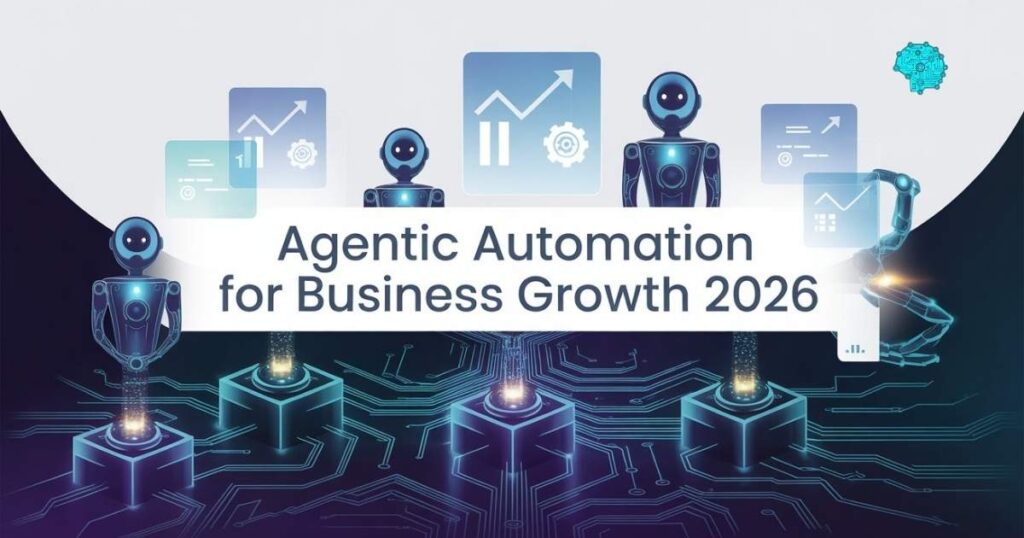
Start with clear goals. Do not automate everything at once. Focus on high-impact areas first. Ensure your team understands how autonomous AI systems operate.
Secondly, maintain data quality. Poor data reduces results from machine learning systems. Regularly review outputs and adjust logic rules. Combine human oversight with enterprise AI solutions for best performance.
Pro Tip
Use dashboards to track performance weekly. This ensures your AI automation continues delivering value.
Conclusion
Agentic Automation is not just another tech trend. It is a strategic advantage for modern businesses. By using intelligent agents, companies improve efficiency and cut costs. Implementation requires planning, but results are measurable and powerful. If you want sustainable growth in 2026, start integrating Agentic Automation into your business strategy today. The future belongs to companies that adopt Agentic Automation.

Biographical Info:
Asim is the founder of BizBotLogic,
helping small businesses leverage AI for
productivity and growth.